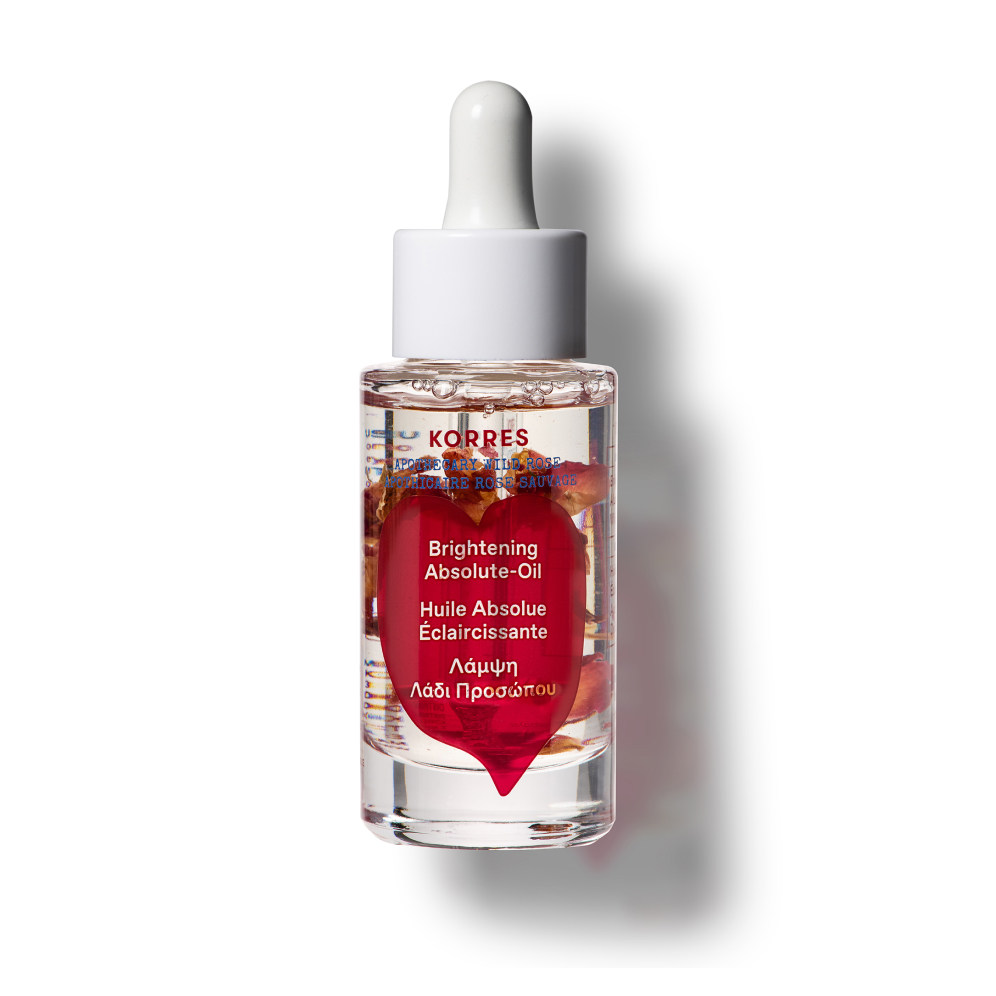
A brightening wild rose oil infused with the rose petals of one full rose and boosted with vitamin C to visibly brighten skin and replenish moisture for a smooth, glowing complexion.
The Balkan Botanic Garden of Kroussia, Northern Greece
Discover the routine that began out of the oldest apothecary in Athens over 25 years ago. It's been perfected over the years, but the promise remains the same today: reveal radiant, glowing skin powered by real wild roses.
This product is made through our Full Circle™ process
We work with local organic micro-farmers who cultivate responsibly and help us conserve the unique biodiversity of Greece.
The Balkan Botanic Garden of Kroussia, under the supervision of the Institute of Plant Breeding and Genetic Resources, hosts many rare and endemic plant species including the Wild Rose/ Rosa canina.
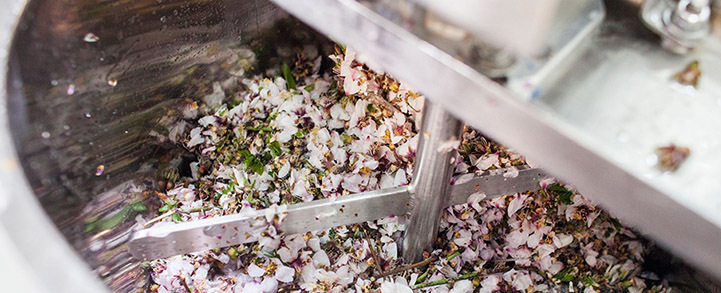
We run a zero-waste operation where we carefully extract active herbal ingredients and return any unused organic matter to the soil as fertilizer.
We produce our own virgin, cold-pressed Wild Rose oil through Greek certified collaborators, always under our supervision. All solid residue is turned into organic soil, in support of the KORRES Full Circle (TM) process.
Where the magic happens. We're constantly studying plants at a cellular level in order to understand how they can work to transform our skin.
Our serum with vitamin C is powered by real wild roses and our proprietary Vitamin Super C formula to support skin tone for a more luminous, radiant glow over time.
Our women-led Research & Development team creates every formula. 500 efficacy and safety tests are run on each product, and we start over from scratch if even one of those tests falls short.
Wild Rose contains a complex array of vitamins, minerals, fatty acids and antioxidants that allows our vitamin C serum to deliver ultra moisture and a radiant plumpness to the skin. The rich source of brightening comes from 9x the vitamin C content of a glass of orange juice.
Vitamin Super C is 1000% times stronger absorption than pure vitamin C, and helps to smooth skin tone and prevent discoloration.
Sea Daffodil Extract is a powerful ceramide that helps to reduce the appearance of dark spots.
Equal parts aesthetics and functionality, our eco-friendly and recyclable packaging is designed to bring beauty to your everyday.
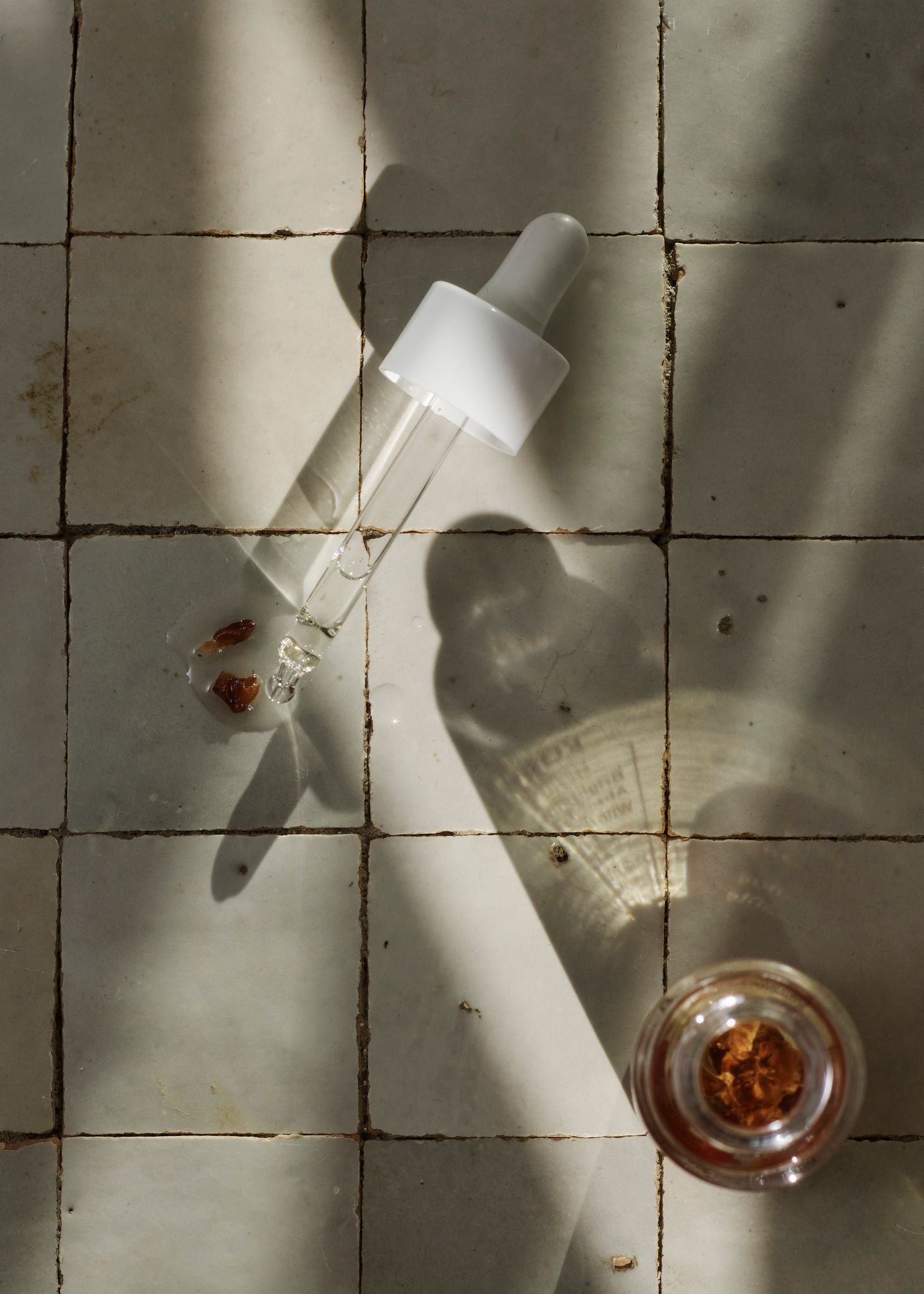
We use transparent glass to easily spot the dual-phase content of the vitamin C serum.
Where we come full circle. Here, empties are given a second life as new packaging, art, objects, and even furniture.
One Full Rose In Every Glow Boosting Bottle of Brightening Oil
Seen Benefits
A luminous glow
97% saw glowing, luminous skin after 14 days.
Younger + healthier
97% said skin looked younger and healthier after 14 days.
More even tone
93% saw nourished more even skin tone after 14 days.
How to use Apothecary Wild Rose Brightening Absolute Oil
Apply 2-3 drops of the wild rose oil over the face and neck 2x daily, avoiding the eye area. Can be used alone or mixed in with your favorite moisturizer or foundation for an extra brightening boost.
Complete your skincare routine
Discover an effortless, healthy Greek glow with this simple, natural skincare routine of best sellers.
anti-aging
Black Pine 3D Eye-Lift Super Serum
A potent eye lift serum that brings the elastic bounciness back to your skin, reducing the appearance of fine lines and wrinkles visibly firming and lifting skin.
See The Full Story >
Brightening + Dark Spot Reduction
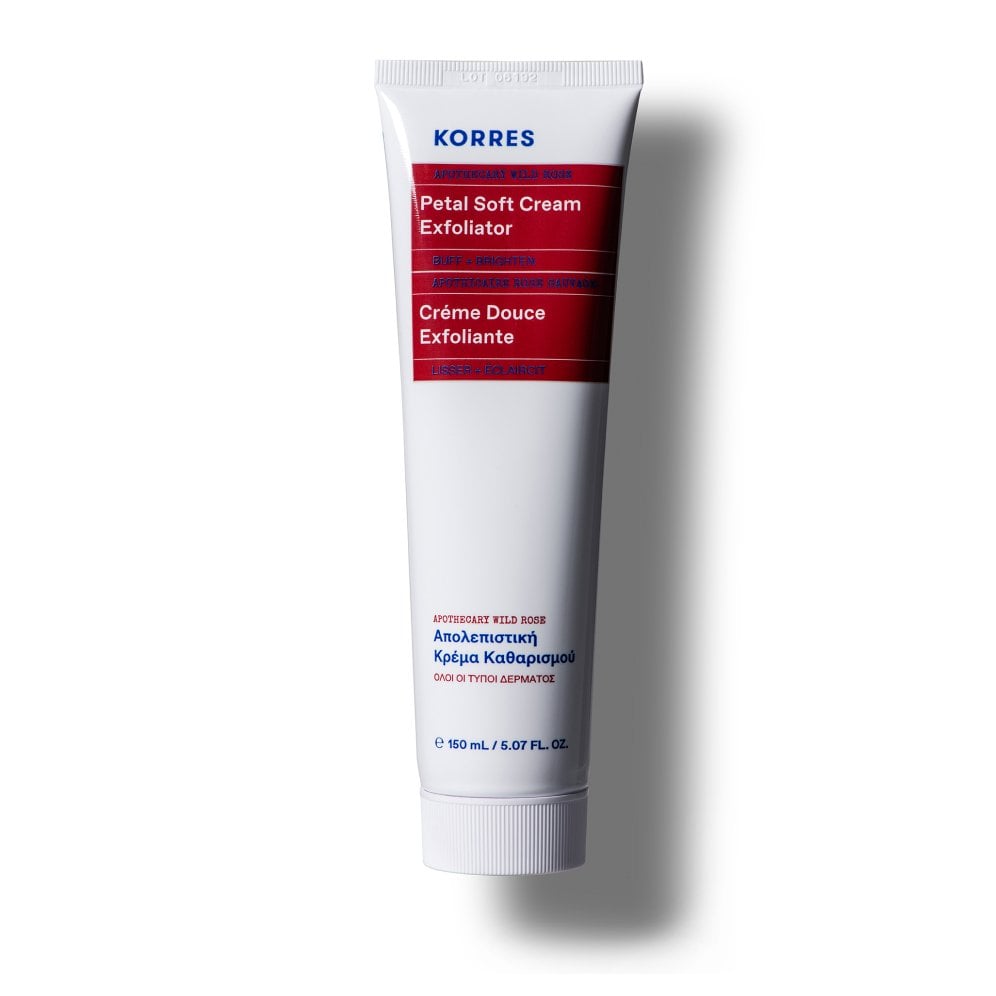
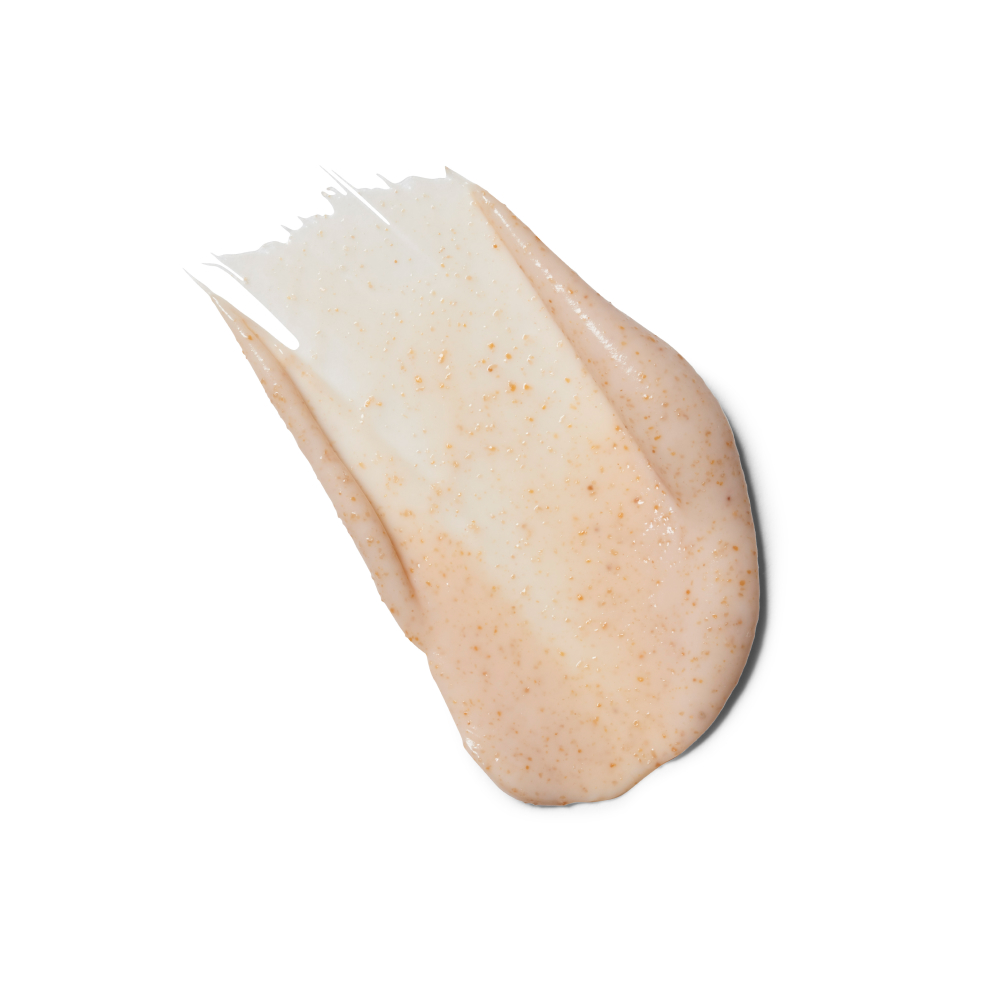
Apothecary Wild Rose Petal Soft Cream Exfoliator
A cushiony cream exfoliator that buffs away dead, dry skin to reveal a bright, glowing, smooth complexion every morning.
See The Full Story >
Brightening + Dark Spot Reduction
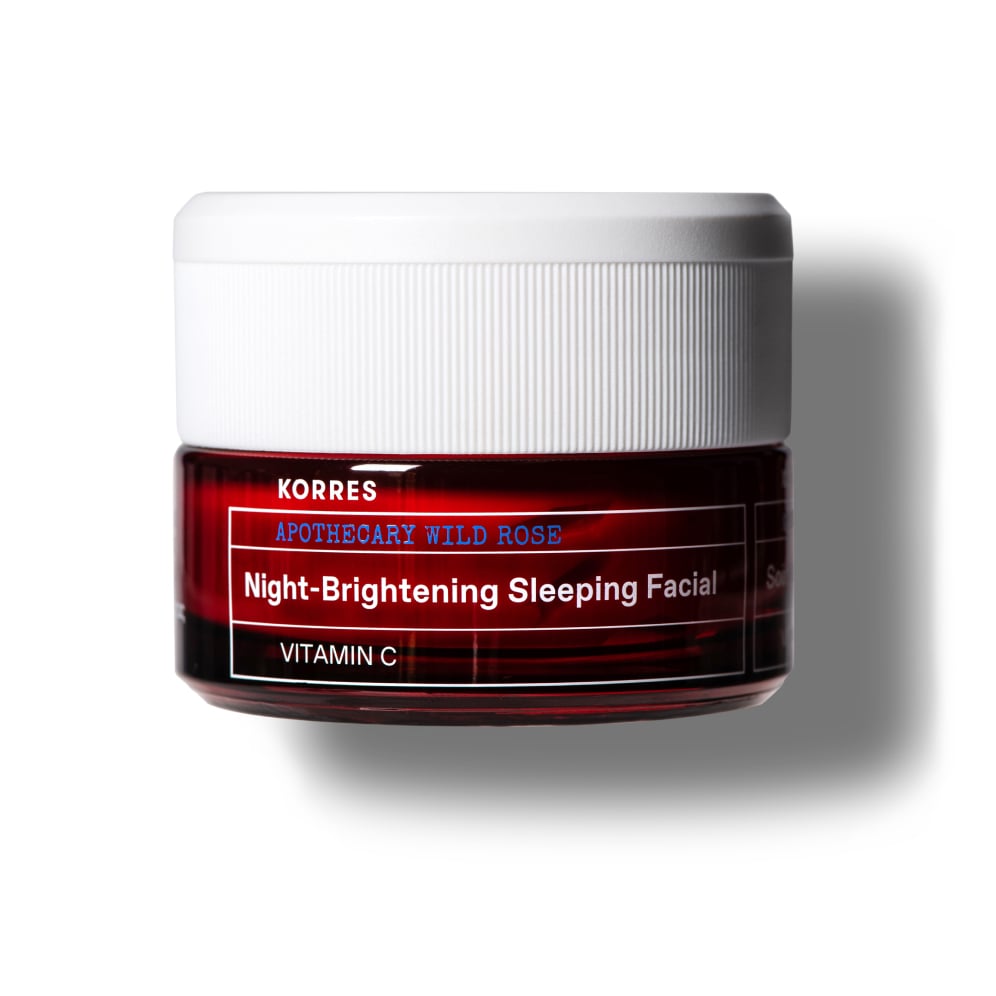
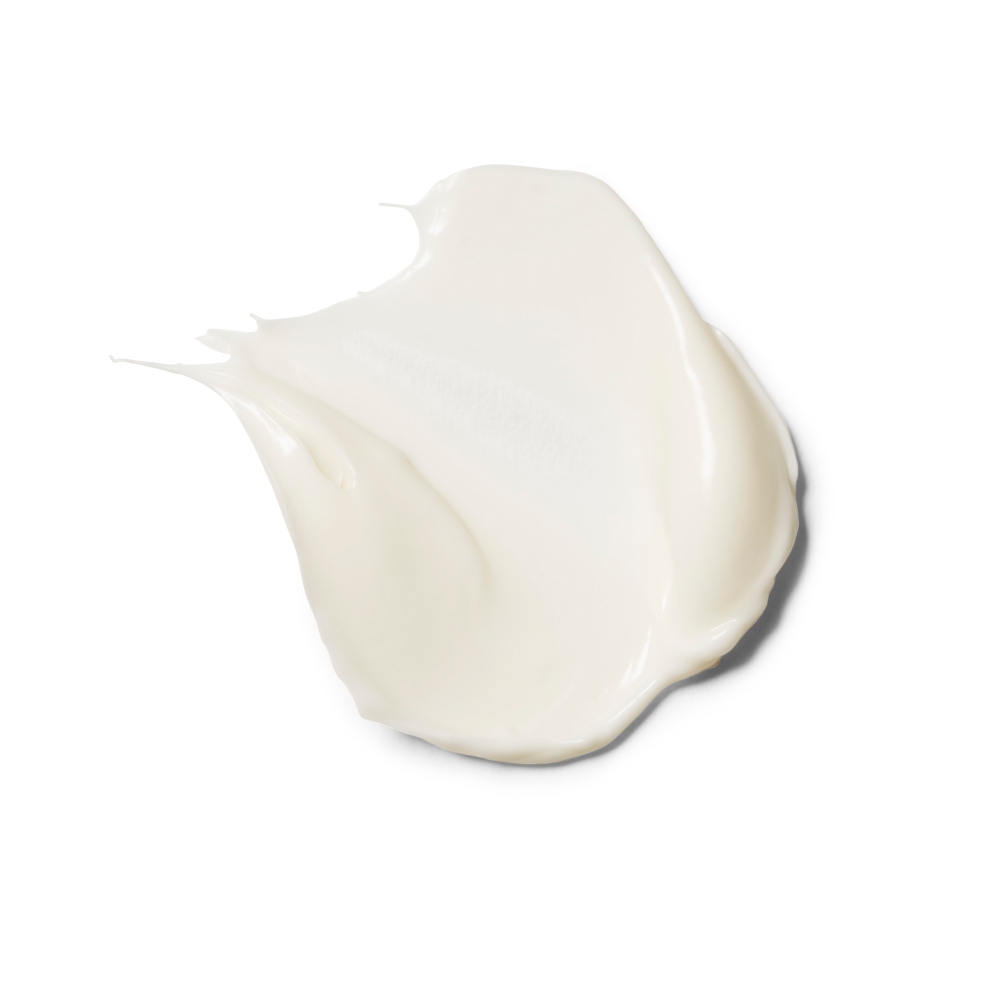
Apothecary Wild Rose Brightening Sleeping Facial
A cult favorite night brightening skin cream that works throughout the night to turn dull uneven texture and tone into glowing, smooth, plump skin by morning.
See The Full Story >
All KORRES products are sourced ethically in Greece
Is a glass of OJ or vitamin C tablets your go-to when the sniffles come? Loading up on this vitamin was a practice spurred by Linus Pauling in the 1970s, a double Nobel laureate and self-proclaimed champion of vitamin C who promoted daily megadoses (the amount in 12 to 24 oranges) as a way to prevent colds and some chronic diseases.
Vitamin C, or ascorbic acid, is a water-soluble vitamin. This means that it dissolves in water and is delivered to the body's tissues but is not well stored, so it must be taken daily through food or supplements. Even before its discovery in 1932, nutrition experts recognized that something in citrus fruits could prevent scurvy, a disease that killed as many as two million sailors between 1500 and 1800. [1]
Vitamin C plays a role in controlling infections and healing wounds, and is a powerful antioxidant that can neutralize harmful free radicals. It is needed to make collagen, a fibrous protein in connective tissue that is weaved throughout various systems in the body: nervous, immune, bone, cartilage, blood, and others. The vitamin helps make several hormones and chemical messengers used in the brain and nerves. [2]
While megadosing on this vitamin is not uncommon, how much is an optimum amount needed to keep you healthy, and could taking too much be counterproductive?
Recommended Amounts
RDA: The Recommended Dietary Allowance for adults 19 years and older is 90 mg daily for men and 75 mg for women. For pregnancy and lactation, the amount increases to 85 mg and 120 mg daily, respectively. Smoking can deplete vitamin C levels in the body, so an additional 35 mg beyond the RDA is suggested for smokers.
UL: The Tolerable Upper Intake Level is the maximum daily intake unlikely to cause harmful effects on health. The UL for vitamin C is 2000 mg daily; taking beyond this amount may promote gastrointestinal distress and diarrhea. Only in specific scenarios, such as under medical supervision or in controlled clinical trials, amounts higher than the UL are sometimes used. [2]
Vitamin C absorption and megadosing
The intestines have a limited ability to absorb vitamin C. Studies have shown that absorption of vitamin C decreases to less than 50% when taking amounts greater than 1000 mg. In generally healthy adults, megadoses of vitamin C are not toxic because once the body's tissues become saturated with vitamin C, absorption decreases and any excess amount will be excreted in urine. However, adverse effects are possible with intakes greater than 3000 mg daily, including reports of diarrhea, increased formation of kidney stones in those with existing kidney disease or history of stones, increased levels of uric acid (a risk factor for gout), and increased iron absorption and overload in individuals with hemochromatosis, a hereditary condition causing excessive iron in the blood. [2]
Absorption does not differ if obtaining the vitamin from food or supplements. Vitamin C is sometimes given as an injection into a vein (intravenous) so higher amounts can directly enter the bloodstream. This is usually only seen in medically monitored settings, such as to improve the quality of life in those with advanced stage cancers or in controlled clinical studies. Though clinical trials have not shown high-dose intravenous vitamin C to produce negative side effects, it should be administered only with close monitoring and avoided in those with kidney disease and hereditary conditions like hemochromatosis and glucose 6-phosphate dehydrogenase deficiency.
Vitamin C is involved with numerous metabolic reactions in the body, and obtaining the RDA or slightly higher may be protective against certain disease states. However, a health benefit of taking larger amounts has not been found in people who are generally healthy and well-nourished. Cell studies have shown that at very high concentrations, vitamin C can switch roles and act as a tissue-damaging pro-oxidant instead of an antioxidant. [2,3]Its effects in humans at very high doses well beyond the RDA are unclear, and can lead to increased risk of kidney stones and digestive upset.
Vitamin C and Health
There is interest in the antioxidant role of vitamin C, as research has found the vitamin to neutralize free radical molecules, which in excess can damage cells. Vitamin C is also involved in the body's immune system by stimulating the activity of white blood cells. Does this translate to protection from certain diseases?
Chronic diseases
Although some epidemiological studies that follow large groups of people over time have found a protective effect of higher intakes of vitamin C (from food or supplements) from cardiovascular disease and certain cancers, other studies have not. Randomized controlled trials have not found a benefit of vitamin C supplements on the prevalence of cardiovascular disease or cancer. The inconsistency of the data overall prevents the establishment of a specific vitamin C recommendation above the RDA for these conditions. [2]
Age-related vision diseases
Vitamin C has also been theorized to protect from eye diseases like cataracts and macular degeneration. Human studies using vitamin C supplements have not shown a consistent benefit, though there appears to be a strong association between a high daily intake of fruit and vegetables and decreased risk of cataracts. [4]
The common cold
Despite being a popular fix, vitamin C's cold-fighting potential hasn't panned out. Reviews of several studies show that megadoses (greater than 500 mg daily) of supplemental vitamin C have no significant effect on the common cold, but may provide a moderate benefit in decreasing the duration and severity of colds in some groups of people. [2] Small trials suggest that the amount of vitamin C in a typical multivitamin taken at the start of a cold might ease symptoms, but for the average person, there is no evidence that megadoses make a difference, or that they prevent colds. [5]
Food Sources
Fruits and vegetables are the best sources of this vitamin.
Vitamin C deficiency is rare in developed countries but may occur with a limited diet that provides less than 10 mg daily for one month or longer. In developed countries, situations at greatest risk for deficiency include eating a diet restricted in fruits and vegetables, smoking or long-term exposure to secondhand smoke, and drug and alcohol abuse. The following are the most common signs of a deficiency.
Scurvy, the hallmark disease of severe vitamin C deficiency, displays symptoms resulting from loss of collagen that weakens connective tissues:
Skin spots caused by bleeding and bruising from broken blood vessels
Swelling or bleeding of gums, and eventual loss of teeth
Hair loss
Delayed healing of skin wounds
Fatigue, malaise
Iron-deficiency anemia due to decreased absorption of non-heme iron
Did You Know?
Vitamin C improves the absorption of non-heme iron, the type of iron found in plant foods such as leafy greens. Drinking a small glass of 100% fruit juice or including a vitamin-C-rich food with meals can help boost iron absorption.
Vitamin C can be destroyed by heat and light. High-heat cooking temperatures or prolonged cook times can break down the vitamin. Because it is water-soluble, the vitamin can also seep into cooking liquid and be lost if the liquids are not eaten. Quick heating methods or using as little water as possible when cooking, such as stir-frying or blanching, can preserve the vitamin. Foods at peak ripeness eaten raw contain the most vitamin C.
Related
Vitamins and Minerals Common Questions About Fruits and Vegetables
References
Carpenter KJ. The history of scurvy and vitamin C. Cambridge: Cambridge University Press, 1986.
Institute of Medicine (US) Panel on Dietary Antioxidants and Related Compounds. Dietary Reference Intakes for Vitamin C, Vitamin E, Selenium, and Carotenoids. Washington (DC): National Academies Press (US); 2000.
Poljšak B, Ionescu JG. Pro-oxidant vs. antioxidant effects of vitamin C. Handbook of Vitamin C Research: Daily Requirements, Dietary Sources and Adverse Effects (pp.153-183). January 2009. Nova Science Publishers, Inc.
Huang G, Wu L, Qiu L, Lai J, Huang Z, Liao L. Association between vegetables consumption and the risk of age-related cataract: a meta-analysis. Int J Clin Exp Med. 2015 Oct 15;8(10):18455-61.
Douglas RM, Hemila H, Chalker E, Treacy B. Vitamin C for preventing and treating the common cold. Cochrane Database Syst Rev. 2007:CD000980.
Updated March 2020
Terms of Use
The contents of this website are for educational purposes and are not intended to offer personal medical advice. You should seek the advice of your physician or other qualified health provider with any questions you may have regarding a medical condition. Never disregard professional medical advice or delay in seeking it because of something you have read on this website. The Nutrition Source does not recommend or endorse any products.
For 70 years Vitamin C has been one of the biggest weapons in the skin care industry. It's used to make cleansers, moisturizers, lotions, masks, and serums. So what is this powerful vitamin? How can it benefit you? Why should you use serums that contain Vitamin C? We're here to answer all of those burning questions in this complete guide and reveal the many benefits Vitamin C serums offer for your skin.
What Are Vitamin C Serums?
There are many variations of Vitamin C, but the most popular is ascorbic acid, a common ingredient in skincare products. However, all the variations of Vitamin C have anti-inflammatory benefits.
Vitamin C Serums are products that contain a high level of Vitamin C. They're used to treat wrinkles, sagging skin, lighten dark or red spots, prevent breakouts and even your skin tone. Basically, they battle all of those annoying skin issues. There are loads of products out there that claim they'll save your skin, but some can cause damage. Vitamin C is one of the most revered ingredients and conclusive research has shown how effective it can be.
How Are Vitamin C Serums Made?
Well so far we've talked about how incredible Vitamin C is and it sounds like a dream come true doesn't it? It's not all good. In fact, the mighty vitamin is unstable when it's exposed to air and light. Other ingredients need to be used to stabilize it and allow it to deliver amazing results. The serums are combined with ferulic acid and Vitamin E. According to researchers the perfect mixture is 15% Vitamin C with 1% Vitamin E and 0.5% ferulic acid. This makes Vitamin C perform to the best of its abilities, without damaging your skin.
What Does Vitamin C Serum Do for Your Face?
Boosts Collagen Production: Collagen keeps your skin firm and prevents sagging. Environmental factors such as lifestyle choices and pollution can increase the elasticity of your skin, so it's important you try to increase your collagen production.
Hydrates Your Skin: Dry skin is a common issue, but Vitamin C can help to give your skin that much-needed moisture boost. Remember, it doesn't work immediately so you need to keep applying the serum to see results.
Brightens Your Complexion: Dark spots on your skin are caused by the overproduction of melanin. Vitamin C decreases the production and lightens the dark spots to even out your complexion.
Reduces Redness and Inflammation: Conditions such as Rosacea leave many people searching for a magic cure. Vitamin C helps facial redness and inflammation by reducing the appearance of broken capillaries.
Why Should You Be Using Vitamin C Serum?
Don't think Vitamin C serums are just beneficial for your face. They can also shield you from sun damage and reduce stretch marks.
Saves You From The Sun: Prolonged exposure to UV rays can cause long-term damage to your skin. Luckily, Vitamin C is a powerful antioxidant that reduces red sports and prevents sunburn from spreading.
Fades Acne Scars: Acne plagues most of us at some point and we look forward to being free. Most of us get stuck with some scars but Vitamin C helps to fade scars and even out any discoloration.
Reduces Stretch Marks: Yes, Vitamin C serum can even help prevent those unsightly stretch marks by tightening your skin.
Are you ready to change your skin? Add a Vitamin C serum to your beauty regimen and enjoy a glowing complexion.
Whether in the form of a fizzy drink or flavored lozenges, cold and flu preventative supplements almost always highlight vitamin C as one of their key ingredients. So, what's so magical about vitamin C? Also known as ascorbic acid, vitamin C is critical to living healthily. Since the human body cannot spontaneously generate this nutrient, vitamin C must instead be absorbed from outside sources, such as vitamin supplements or foods that are naturally rich in it.
Commonly found in cold and flu preventative supplements, vitamin C strengthens and speeds up immune system functionality. Though research does not indicate that vitamin C intake alone can prevent the onset of cold or flu, adequate daily intake may shorten the duration of an infection or lessen the severity of symptoms.
Vitamin C is crucial for the maintenance of well being. For example, it plays a role in wound healing and helps maintain many essential body tissues. It also acts as a potent antioxidant and can repair damage from free radicals, which are linked to aging effects, and disease vulnerability. Additionally, vitamin C can also prevent anemia, since it helps the body increase absorption of dietary iron, another vital mineral that the body cannot spontaneously create.
Foods that contain high concentrations of vitamin C have been linked with a lower risk of cardiovascular disease, like heart attack and stroke. Vitamin C can also increase levels of nitric oxide, a compound that widens blood vessels and, in turn, lowers blood pressure. In addition, regular intake of vitamin C, along with other vitamins, has been linked to a decreased risk for developing age-related cataracts, a leading cause of visual impairment in the United States.
Common Sources of Vitamin C
Vitamin C can be easily obtained through the many different foods, including:
Citrus fruits and juices (orange, grapefruit, lemon, lime and tangerine)
Berries
Melons
Mangoes
Kiwi
Tomato
Broccoli
Red peppers
Spinach
Squash
Potatoes
Cooking these foods may result in the loss of some of the vitamin content, so it is ideal to ingest them raw, either whole or juiced. Nowadays, there are also numerous packaged food products, like cereals, that have been enriched and fortified with vitamin C, so that the nutrient can be easily obtained.
Vitamin C may also be labeled as "L-ascorbic acid" in supplement form, and most over-the-counter multivitamins contain the recommended daily amount of the vitamin. While it is a good source when an individual is in need of a vitamin C boost, supplements are not meant to replace a diet rich in naturally derived vitamin C.
What Happens When You Have Too Much — or Too Little — Vitamin C?
Vitamin C is a water-soluble vitamin that can be easily flushed out of the body via urination when it is not needed. Therefore, if the main source of vitamin C is from naturally occurring foods, it is near-impossible for excess vitamin C to produce side effects. However, taking excessive concentrated vitamin C supplements may lead to diarrhea or stomach upset.
Since vitamin C-rich foods are so readily available nowadays, symptoms of inadequate vitamin C intake are also rare in the United States. However, malnourished individuals can experience symptoms of vitamin C deficiency over time, including:
Weakness
Fatigue
Anemia
Easy bruising
Joint pain
Skin breakdown
Weakened tooth enamel
Gum inflammation
Severe vitamin C deficiency is referred to as scurvy. Scurvy can be easily treated with increased dietary or supplemental vitamin C. Since vitamin C is crucial in the detoxification of the body, a lack of vitamin C can compromise the immune system and make an individual more susceptible to diseases and infections. Individuals with insufficient vitamin C may find that it takes longer than usual to recover from a cold or a physical wound.
Daily Dosage Recommendations:
The daily dosage recommendation for vitamin C is different for everyone, depending on factors such as gender, age, lifestyle and current health condition. The recommended daily dosage for vitamin C is at least 75 mg daily for women and 90 mg for men. Since people who are pregnant, breast feeding, smoking or using oral contraceptives have a lower blood level of vitamin C than others, larger doses of vitamin C may be needed to achieve optimal results in these individuals. Those who have prior or current medical conditions may also require bigger or smaller dosage levels, as recommended by their healthcare providers.
Resource Links:
"Vitamin C" via MedlinePlus
"Vitamin C and Infections" via MDPI
"Extra Dose of Vitamin C Based on a Daily Supplementation Shortens the Common Cold: A Meta-Analysis of 9 Randomized Controlled Trials" via Hindawi, BioMed Research International
"Vitamin C" via National Institutes of Health
"Scurvy" via U.S. Department of Health & Human Services, National Institutes of Health
"Dietary intake and blood concentrations of antioxidants and the risk of cardiovascular disease, total cancer, and all-cause mortality: a systematic review and dose-response meta-analysis of prospective studies" via The American Journal of Clinical Nutrition
"Dietary vitamin and carotenoid intake and risk of age-related cataract" via The American Journal of Clinical Nutrition
"Cardiovascular System" via Department of Anatomy, Seoul National University College of Medicine (via Springer)
These Are The 6 Best Vitamin C Serums For Brighter, Clearer Skin
Amazon/Bustle
There's never a bad time to amp up your skin care regimen's sun protection defenses. Whether you're looking to keep your skin safe from future signs of sun damage or help reduce the appearance of damage that's already been done (aka sun spots), incorporating one of the best vitamin C serums into your beauty routine can help.
In an ingredients list, you'll most likely find vitamin C listed as l-ascorbic acid, which experts agree is the most effective form of vitamin C, along with tetrahexyldecyl ascorbate. You'll also want to pay attention to the concentration level of the vitamin C, as something between 10 and 20 percent is said to be the most stable, and therefore, the most effective when it comes to protecting the skin and improving its overall tone and texture.
While you can certainly apply your vitamin C serum at night, to reap its full sun-protecting benefits, apply it in the morning after cleansing, and before you moisturize and layer on your SPF (which, yes, you still need to wear). You'll also want to be careful about using your vitamin C serum after any cleansers, treatments, or moisturizers that contain salicylic acid, glycolic acid, or retinol, as this can heighten common side effects that come with these ingredients, like burning and redness (especially if you have sensitive skin).
It's also worth noting that vitamin C is a delicate ingredient because it degrades from sun exposure. Because of this, you'll want to store your serum away from the sunlight and be on the lookout for any changes in its color, texture, or smell. A serum packaged in a darker bottle is also ideal, as it helps minimize the product's exposure to sunlight.
Ahead, you'll find six of the best vitamin C serums that are all Amazon user-approved to brighten, protect, and firm your skin.
1
The Best Serum For Vitamin C Newbies
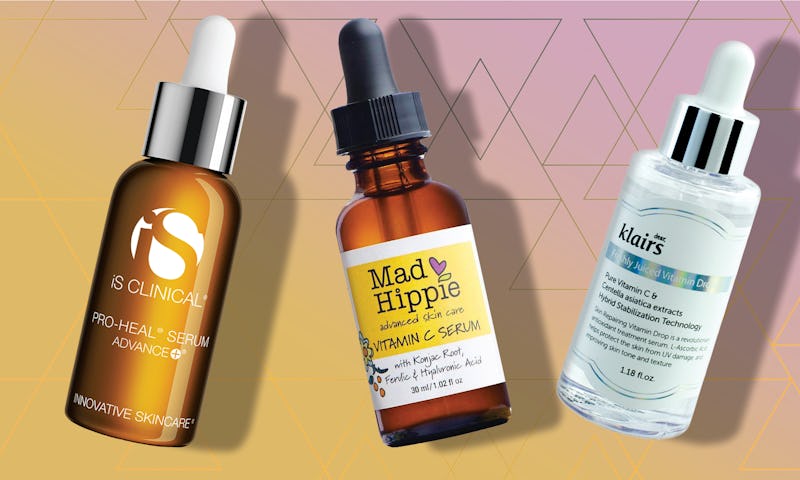
This K-beauty favorite serum contains a mild dose of 5 percent vitamin C to allow your skin to accustom itself with the active ingredient. While that's still enough to notice the brightening and skin tone-evening benefits, the smaller percentage means its also gentler and less likely to irritate skin. Reviewers love its lightweight texture and say a little goes a long way, so you only need a couple of drops. Some have even had luck with using it on their bodies to help fade unwanted scars.
Klairs Freshly Juiced Vitamin C Serum is also an Amazon-user favorite with hundreds of five-star reviews. "I used this product for a few months and then switched to one with a higher percentage of Vitamin C only to find that it didn't work nearly as well," writes one reviewer. "I'm back to using Klairs and am so impressed by the positive change I see in my skin when I use it — it's brighter, smoother, and more even — even though it's a mild product."
The only downside with this serum is that, since it comes in a clear bottle, you'll want to be extra careful with storing it somewhere away from the sun.
2
The Best Vitamin C Serum For Sensitive Skin
If you have sensitive skin, you might have luck with the low-concentration Klairs option, above. But it does contain a few ingredients that some particularly sensitive skin types negatively react to, like propylene glycol. For a super safe, all natural pick, try this all-natural pick from Mad Hippie. It uses vitamin C in the form of sodium ascorbyl phosphate, which is said to cause less irritation and reduce the risk of oxidation. Mad Hippie formulated this serum with other complementary ingredients, like vitamin E and ferulic acid, which both improve and protect the skin from damaging free radicals. And ferulic acid also helps stabilize both vitamins C and E, so that they're even more effective. To keep skin moisturized, hyaluronic acid is included in the formula, while konjac root and chamomile extract work to protect and soothe the skin. There's also a dose of clary sage, which acts as a natural toner and astringent.
"I have very sensitive skin and normally I cannot use vitamin C serums at all," writes a reviewer. "This one does not sting or burn at all." Another user notes, "Within a week or so, I saw a smoother texture to my skin. By the end of the bottle, my skin looked smoother, brighter, and three darker spots on my face [from sun damage] were at least 80 percent lighter."
3
A Vitamin C Serum That Produces An Instant Glow
Yes, all vitamin C serums brighten the skin with continued use, but The Body Shop Vitamin C Skin Boost Instant Smoother also leaves skin glowing directly after you apply it, thanks to the tiny mineral glowing particles it contains. Long-term brightening, protecting, and collagen-boosting effects come from ascorbic acid and the vitamin C-packed camu camu berries that The Body Shop has hand harvested by local collectors on the riverbanks of the Amazon River. Vitamin E provides the skin with more protection against environmental aggressors as it softens, and Community Fair Trade Brazil nut oil further moisturizes the skin. Additionally, dimethicone and glycerin give the serum a smooth texture that helps to blur pores and even out skin tone, making this a great primer, too.
4
The Best Vitamin C Serum For Acne-Prone Skin
This serum might be a bit of a splurge, but its powerful formula means serious results. The brand works with a team of assorted experts to develop each product, including geneticists, biologists, and physicians. For their iS Clinical Pro-Heal Serum Advance+, they developed a vitamin C combo that works for all skin types, including acne-prone. Time-released vitamin C means prolonged antioxidant protection, while vitamins E and A contribute even more antioxidant benefits. iS Clinical included inflammation-reducing zinc sulfate, blemish-preventing kojic acid, and nourishing olive leaf extract to combat signs of acne while helping to prevent future breakouts.
5
The Best Drugstore Vitamin C Serum
For a more affordable option, e.l.f's Beauty Shield Vitamin C Pollution Prevention Serum costs less than $20. Despite its low price, the serum still contains your vitamin C, as well as vitamin E and pomegranate extract, which provides even more vitamin C benefits. You'll also notice glycerin and hyaluronic acid on the ingredients list to leave the skin smooth and moisturized. It's even cruelty-free and vegan, and formulated without parabens, sulfates, or phthalates.
6
The Best Vitamin C Booster Powder
If you're into DIY beauty (or you just want to customize your vitamin C application), a vitamin C booster powder, like the Resurrection Beauty L-Ascorbic Acid Powder, is the perfect choice. This jar solely contains vitamin C in the form of l-ascorbic acid, which is meant to be dissolved in water or witch hazel before being added into your favorite hydrating serum. It can even be added to your nightly moisturizer, sunscreen, or body lotion. Because you're mixing this yourself, you can start with a lower concentration of vitamin C, like 5 percent, and work your way up to 20 percent (the maximum amount recommended) as your skin learns to tolerate it.
Many Amazon reviewers share the different ways they use this powder to make custom treatments. "How terrific to find cosmetic grade vitamin C to make my own solution," one raves. "All skin care experts claim this is the best for anti-aging, however very unstable. This fixes the problem and at an reasonable price. I just mix small batches to last for a week. And in just a few weeks I can see the difference in my skin." Another recommends mixing it with aloe-vera for a skin-soothing and brightening mask.
Bustle may receive a portion of sales from products purchased from this article, which was created independently from Bustle's editorial and sales departments.
Nearly 2 million American adults each year are diagnosed with cancer. If you receive a diagnosis, your schedule can quickly start to fill up with doctor's appointments, medical procedures and pharmacy visits. Creating a checklist of things to do can help keep you busy and feeling more in control. But acknowledging the effects a cancer diagnosis can have on your emotions — and healthily managing those emotions — is almost as important.
Doctors and psychologists now recognize that healing improves after a diagnosis when both our physical and emotional needs are met, says Niki Barr, Ph.D., a psychotherapist at the Center for Cancer and Blood Disorders in Texas, who consults with medical doctors, extended families and caregivers about emotionally coping with a cancer diagnosis.
Learning you have cancer is a stressful experience, and it's important to acknowledge and cope with that stress. Fully understanding how your emotional needs can change after you receive a cancer diagnosis can go a long way in helping you and your family heal. The tips here can help you support your mental health as you navigate your diagnosis and treatment.
Photo Courtesy: burakkarademir/E+/Getty Images
Upon hearing your diagnosis, you might experience grief, fear or even a feeling of denial until some time has passed. "These are all normal and emotionally healthy responses, but it's all too easy to spiral out of control with fear in the beginning," says Barr. Fortunately, these tips can help you manage the anxiety and fear that come along with learning about a cancer diagnosis.
Lessen the Impact of Anxious Thoughts
Start by writing your thoughts down on note cards or in a journal. Identify the first one that's leading you to feel uneasy. For example, you might write down something like "I'm afraid of my hair falling out." Then, move onto the subsequent fear and write it down. That might be something like "People will treat me differently if they see I have cancer."
When you've identified most of your anxious thoughts, go back to the first one and write something new on the card that can help ease your stress. It should be a thought that's confident and empowering. For example, suppose you're worried about your hair falling out. In that case, a positive view could be: "I've been looking forward to getting a new hairstyle anyway." When you're feeling nervous, read the more positive strategies, says Barr.
Work On Your Internal Dialogue
It can also help to defuse all those "What if?" questions you might ask yourself, such as "What if my cancer has spread?" or "What if the treatment doesn't work?" One scary question tends to lead to another and often turns into full-fledged anxiety. Try to focus on those things you have the power to improve on your own. The next time you start asking yourself the what-ifs, substitute the upsetting ideas with this one: "Is this thought helping me or hurting me?" You can also ask, "Is this thought moving me forward or backward?" Your answers might surprise you, and they can help you move away from the thoughts that are holding you back.
Get Grounded
Interrupting periods of anxiety by focusing on small details around you can help you shift your perspective away from negativity and towards the present moment. "Look at the beautiful color of the walls in the room you're in; look at the person you're talking to, the clothes [they're] wearing," Barr suggests. Becoming very present and focused on physical details nearby helps soothe sudden anxious thoughts. Turn your focus towards absorbing the colors, smells, people and each new sound around you. Build those sensations up very clearly in your mind. You can use this technique as a distraction tool the next time you're waiting for a medical procedure or want a diversion from your thoughts.
Meditate to Music
Research shows that 15 to 30 minutes of both guided imagery and soothing tunes can alleviate deep feelings of stress about a cancer diagnosis. The Cancer Treatment Centers of America (CTCA) reviewed 30 clinical cancer trials that analyzed more than 1,890 cancer patients. They found that music therapy can have a beneficial effect on anxiety, pain, mood, quality of life, heart rate, respiratory rate and blood pressure.
The CTCA also offers many classes and therapies to help people relax, reduce stress and improve their quality of life as part of an extensive mind-body medicine program. Many centers provide calming background music during healing therapies.
What Are Your Next Steps?
Photo Courtesy: Peathegee Inc/Getty Images
You have a cancer diagnosis: Now what? Learning how to clear your mind and focus on positive thoughts is a helpful step in the right direction. Here are other soul-soothing strategies you can try.
Start Journaling and Reflecting
Research published in the Journal of Clinical Oncology has shown that expressing your innermost feelings can reduce stress and have a range of other emotional and social benefits. Researchers aren't sure why putting thoughts down on paper is effective. Still, it allows you to process complex emotions and help you chart a way forward, whether you've been diagnosed with cancer or are taking care of someone who has.
Exercise When Possible
Exercising for 2.5 hours per week can help you beat symptoms of depression and fatigue. Among the nation's millions of cancer survivors, there are hints — but not proof yet — that active exercisers may lower their risk of their cancer coming back.
The American College of Sports Medicine hosted a medical panel of cancer specialists to evaluate this exercise evidence. It issued guidelines suggesting that cancer patients and survivors should exercise for about 30 minutes most days of the week. This exercise should be enjoyable to you but also build up a sweat. When patients and their family caregivers exercised together, research found, everyone was more likely to stick with the fitness regimen, boost their physical stamina and experience less emotional strain.
Strengthen Your Social Support System
Connecting with others who've been through this kind of emotional diagnosis already can be a source of comfort and support. Learn more about online communities and your local chapters and support groups that meet up. The American Cancer Society also suggests attending one-on-one professional therapy or its "I Can Cope" online support groups to learn more.
Resource Links:
Find Local Cancer Support Programs | Cancer Support Groups
Strategies Used in Coping With a Cancer Diagnosis Predict Meaning in Life for Survivors
Coping Well with Advanced Cancer: A Serial Qualitative Interview Study with Patients and Family Carers
Coping with cancer
Coping Attitudes of Cancer Patients and Their Caregivers and Quality of Life of Caregivers
Lemons and limes are very similar, and they're both nutritious, just like other citrus fruits. Although the difference between limes and lemons is minimal, lemons have twice as much vitamin C compared to limes — making them slightly healthier.
Tip
Lemons and limes are fairly similar. However, gram for gram, limes' vitamin C content is less than that of lemons. This means that lemons have a slight nutritional advantage.
Lime vs. Lemon Nutrition
Limes are usually smaller than lemons. According to the USDA, 100 grams (about 3.5 ounces) of lime supply less than a gram of protein and 10.5 grams of carbohydrates, 2.8 grams of which come from fiber. Lime vitamin C content is 32 percent of the daily value (DV). They also have 7 percent of the DV for copper.
There are many other essential nutrients in limes, but these are only present in small amounts. You'll find between 1 and 4 percent of vitamin A, B-complex vitamins, vitamin E, vitamin K, selenium, phosphorus, magnesium, potassium, calcium and iron in 100 grams of limes.
Comparatively, the USDA says that 100 grams of lemon has 1.1 grams of protein and 9.3 grams of carbohydrates, 2.8 of which come from fiber. Lemons have 59 percent of the daily value for vitamin C and 5 percent of the DV for vitamin B6.
Lemons also have small amounts (between 1 and 4 percent) of most essential vitamins, including vitamin A, B-complex vitamins and vitamin E. You'll also find small amounts of copper, zinc, calcium, iron, potassium, magnesium and manganese in every 100 grams of lemons.
As you can see, there aren't too many differences between limes and lemons. Both of these citrus fruits have roughly the same amounts of carbohydrates, fiber and protein. Both are rich in ascorbic acid and have a small amount of many other essential nutrients.
If you're comparing limes versus lemons to get enough ascorbic acid, you should probably consume lemons. Limes' vitamin C content is about half of the vitamin C content of lemons.
Consuming Lime vs. Lemon
Limes and lemons are fairly similar nutritionally. However, you're likely aware of how different limes and lemons smell, taste and look.
In general, limes are green and lemons are yellow. However, unripe lemons are green, just like limes. Similarly, ripe limes become yellow, just like lemons.
Although both of these citrus fruits are acidic, you'll find that lemons tend to have a more sour, tart flavor compared to limes. Limes tend to have a slightly more bitter flavor than lemons. Despite these differences, you can use both limes and lemons as ingredients in a variety of foods and beverages, including cocktails, juices, tarts, desserts, marinades and pickled foods.
You also even can use the rinds of lemons and limes to flavor your water. The Mayo Clinic recommends freezing lemons and limes and using them in place of ice cubes, or squeezing them into tea.
According to a January 2013 study in the International Journal of Ayurvedic and Herbal Medicine, these citrus fruits are also rich in beneficial bioactive compounds, like flavonoids, that act as antioxidants. These nutritional benefits aren't only in the fruit's juice, but its rind.
Limes and lemons share many of the same qualities and benefits, but they also have the same downsides. Both of these citrus fruits are very acidic. According to a January 2014 study in the Procedia Technology Journal, the high acid content in citrus fruits like lemon can damage tooth enamel.
Fortunately, most people aren't interested in drinking pure lemon or lime juice. As long as you've diluted the juice and brush your teeth regularly, you shouldn't experience any issues.
Megadosis de Vitamina Chttps://institutoeuropeo.es/wp-content/uploads/2015/10/Megadosis-de-vitamina-C.jpg736368Instituto Europeo de Salud y Bienestar Social//institutoeuropeo.es/wp-content/uploads/2020/10/favicon.png
"Solo vive el que sabe" así de claro lo afirmaba Baltasar Gracián. Nos encontramos que lamentablemente el hombre no produce vitamina C. Sin embargo, todos los animales producen diariamente entre 3 y 11 gramos de la misma, es decir una cantidad 80 veces mayor que la dosis diaria establecida para los seres humanos. Lástima que no la "fabrique" el ser humano, ya que carece de la enzima l-gulonolactona oxidasa que es capaz de catalizar la conversión de la glucosa en vitamina C. Y esto es debido a que el gen para esta enzima es defectuoso. Por el contrario, el verdadero paradigma es el cerdo que sintetiza 10 gramos diarios y por ello puede meter el hocico en todo, sin infectarse, ya que la vitamina C mejora el sistema inmunológico. Parafraseando a Cicerón, "no basta con alcanzar la sabiduría, es necesario saber utilizarla".
Aumentar las defensas: la armada invencible
La vitamina C aumenta la resistencia a la infección mediante una serie de efectos cuyo mecanismo de acción no está del todo dilucidado: aumenta la actividad inmunológica de los linfocitos, aumenta la producción de interferón y aumenta la integridad de las membranas mucosas. De hecho, los animales que viven en contacto con las basuras, tomando aguas contaminadas y alimentos en descomposición, tienen una menor tasa de enfermedades que el ser humano porque tienen la protección que necesitan, ya que sus organismos producen vitamina C frente a condiciones de estrés como medio de detoxificación. Sin embargo, como diría Isaac Newton, "lo que sabes es una gota de agua; lo que ignoramos es el océano."
Funciones y propiedades
A John Lenon siempre lo tengo presente y recuerdo que decía que"la vida es aquello que te va sucediendo mientras te empeñas en seguir haciendo otros planes".A pesar de todo es necesario saber que es una vitamina hidrosoluble, y su exceso es fácilmente eliminado en la orina. Las dos principales funciones de la vitamina C son actuar como antioxidante y como cofactor de enzimas. También llamado ácido ascórbico, tiene propiedades de oxidación-reducción. De hecho, actúa como cofactor esencial en al menos 8 reacciones enzimáticas, como por ejemplo en la biosíntesis del colágeno, carnitina y catecolaminas. Tres de ellas están implicadas en las hidroxilaciones de la lisina/prolina, dos en la biosíntesis de la carnitina, dos en la síntesis de hormonas y una en el metabolismo de la tirosina. De todas estas, la mejor estudiada es la hidroxilación de la prolina para formar la hidroxiprolina necesaria para la síntesis de colágeno, la proteína más importante en los tejidos de sostén (cartílagos, matriz ósea, ligamentos, piel, tendones, etc.). La alteración de esta función, en la que la vitamina C mantiene el hierro en un estado reducido (Fe++) se manifiesta por una serie de síntomas que van desde la dificultad para cicatrizar o reparar fracturas, hasta hemorragias en la piel y lesiones en las encías. En definitiva, como diría Jorge de Santayana, "la vida no se ha hecho para comprenderla, sino para vivirla".
Asimismo, el ácido ascórbico participa en la síntesis de dos de las hormonas producidas por las glándulas suprarrenales. Por otra parte, el ácido ascórbico puede reaccionar fácilmente con radicales libres actuando como antioxidante y pasando el mismo a ser un radical ascorbilo que rápidamente se descompone para producir ácido ascórbico y ácido dehidroascórbido. Mediante estas reacciones, la vitamina C captura radicales libres potencialmente tóxicos como los radicales superóxido o hidroxilos y regenera el tocoferol a partir de los radicales tocoferilo, pero como diría Voltaire "la dicha no es más que un sueño, y el dolor, la realidad".
En 1941, el cardiólogo canadiense J. C. Patterson constató que más del 80% de sus pacientes con enfermedad coronaria tenía bajos niveles sanguíneos de vitamina C. Asimismo, el Dr. G. C. Willis, en 1955, demostró que la suplementación con vitamina C reduce los depósitos arteriales de placa. También Cameron y Douglas, demostraron que el incremento de Vitamina C estimula las células normales a producir cantidades aumentadas de un "inhibidor de la hialuronidasa", que impide la destrucción de la matriz extracelular. Además Huges demostró que la Vitamina C es un cofactor esencial para la formación de carnitina. Por este motivo, siempre que tengo delante a un paciente recuerdo lo que decía Alejandro Dumas "los peligros desconocidos son los que inspiran más temor".
Beneficios
Parafraseando a Jules de Gaultier "en el punto donde se detiene la ciencia empieza la imaginación". Pero sí hay evidencias de sus beneficios:
Acelera el proceso de curación de heridas, lesiones y quemaduras.
Tiene un papel esencial en la formación de colágeno.
Refuerza el sistema inmune.
Evita el envejecimiento prematuro.
Contribuye a prevenir la arterioesclerosis.
Ayuda en los movimientos articulares.
Mejora el estado de la piel y protege el tejido conectivo.
Efectos adversos minimizables.
Como decía Tito Livio "el miedo siempre está dispuesto a ver las cosas peor de lo que son", pero los únicos efectos adversos que se pueden producir después de dosis altas de vitamina C son diarrea y molestias gastrointestinales, que se pueden evitar subiendo progresivamente las dosis. Por otro lado, y aunque teóricamente las dosis masivas de vitamina C podrían ocasionar cálculos renales, los estudios clínicos realizados solo han demostrado una ligera oxaluria en los pacientes tratados con dosis elevadas de ácido ascórbico. Sin embargo, se recomienda prudencia en los casos en que haya historia de cálculos renales, y también está contraindicada en embarazadas. Asimismo, el exceso de ácido ascórbico eliminado en la orina puede falsear los resultados de la glucosa, dando falsos positivos. El arte de la medicina se basa en seleccionar bien al paciente. Y como diría Nietzsche "lo que no te mata te hace más fuerte".
Influencia del stress
La producción de esta vitamina en los organismos está relacionada con el nivel de estrés. Desde el punto de vista bioquímico uno de los componentes fundamentales del estrés es el estado de oxidoreducción alterado en los tejidos. Casi toda enfermedad cursa con esta alteración. Mientras en situaciones de calma el hombre no produce nada, un ratón fabrica de 2 – 4 gramos diarios de ácido ascórbico y en condiciones de stress llega a producir hasta 15 gramos diarios, y esto es una de las grandes diferencias entre nosotros y los ratones, y como diría Sócrates, "el grado sumo del saber es el contemplar el por qué". La excreción urinaria de ascorbato disminuye en gran medida bajo estrés a menos que la vitamina C se provea en grandes cantidades, y como diría Einstein "es de gran alivio conocer las propias limitaciones".
El premio Nobel entusiasta de las dosis masivas: Linus Pauling
En este sentido me fascinan todos los estudios realizados por Linus Pauling, premio Nobel de Química (1954) y premio Nobel de la Paz (1962), que ha constatado los siguientes hechos:
Más del 80 % de los pacientes con enfermedad coronaria tienen deficiencia de vitamina C.
La suplementación de vitamina C reduce los depósitos de placa en las arterias.
Los animales que producen vitamina C no sufren enfermedad coronaria.
El cerdo de Guinea que no produce vitamina C, sufre el mismo tipo de lesiones vasculares que causa el infarto en los humanos.
Una deficiencia severa de vitamina C ha sido conocida durante siglos como escorbuto, una enfermedad con graves consecuencias.
En 1970 Linus Pauling publicó su primer libro sobre la vitamina C, y esto motivó, en esos años, que el consumo de esta vitamina en los Estados Unidos se incrementará en un 300%. La mortalidad por enfermedad cardíaca disminuyó un 30% solamente en este país. No se ha documentado otro cambio sustancial en la dieta de los norteamericanos que justifique este hecho.
En 1989, Linus Pauling y Mathias Rath descubrieron que las megadosis de vitamina C previenen el depósito de lipoproteína A en las paredes arteriales.
En este sentido, Linus Pauling revisó la literatura sobre la vitamina C y emprendió la cruzada para divulgar sus beneficios en la práctica clínica. Pero la idea que promovió Linus Pauling de elevar la dosis de vitamina C de forma prolongada para prevenir varias enfermedades, así como su posible papel en la prevención de la arteriosclerosis, siempre fueron causa de controversia. Sin embargo, científicos de Linus Pauling Institute, dependiente de la Universidad Estatal de Oregón, siguen realizando numerosas investigaciones para encontrar evidencias científicas, y como decía Louis Pasteur, "Si no conozco una cosa, la investigaré".
Alimentos ricos en Vitamina C: dosis mínimas esenciales
Lo recomendable es ingerir al menos 60 mg de vitamina C. Para ello, la podemos encontrar en gran cantidad de frutas como fresas, grosellas, frambuesas, moras, arándanos, cítricos (naranja, limón, pomelo), kiwi, papaya o tomate. También está presente en verduras y hortalizas como pimiento, col, col de Bruselas, nabo, rábano, patatas o perejil crudo. Y como decía Leonardo Da Vinci, "la sabiduría es hija de la experiencia".
Si en tus desayunos sustituyes las grasas trans de la bollería industrial por frutas, verduras y hortalizas con alto contenido en vitamina C, observarás como cambia tu energía, mejora tu vitalidad y se refuerza tu memoria.
Por estas razones cuando se usa en las dosis adecuadas esta vitamina altera notablemente el curso de muchas enfermedades, y si lo que pretendes es vivir más y mejor aplica el pensamiento de Marilyn Monroe: "la vida es corta… sonríele a quien llora, ignora a quien te critica y sé feliz con quien te importa".
Uso oral
Lo ideal es consumir la vitamina C liposomal. La protección de los liposomas que envuelven la molécula de vitamina C ayuda a atravesar la barrera intestinal y, de esta manera, el cuerpo puede absorber dosis más altas. En una palabra, la vitamina C liposomal es un 241% más asimilada y, por lo tanto, más potente que la vitamina C clásica. Se puede aumentar progresivamente la dosis para evitar posibles efectos adversos, pero recuerda siempre a Marcel Proust que decía que "nuestro corazón tiene la edad de aquellos que ama".
Uso endovenoso
Muchos grandes investigadores han señalado el beneficio del uso endovenoso en altas dosis, y el doctor Fred Klenner ha sido el pionero. De hecho, descubrió que las infecciones virales agudas podrían curarse con ácido ascórbico intravenoso en dosis masivas; se puede oscilar entre 50-100 gramos. Irwin Stone destacó el potencial de la vitamina C en el tratamiento de muchas enfermedades crónicas, la incapacidad de humanos para sintetizar el ascorbato y el estado resultante de la hipoascorbemia. Personalmente, las he experimentado y son una verdadera explosión de vitalidad. Llegados a este punto, me viene a la memoria la genialidad de Jean-Jacques Rousseau que decía"el hombre que más ha vivido no es aquel que más años ha cumplido, sino aquel que más ha experimentado la vida".
Uso vía tópica
La vitamina C es considerada un antioxidante poderoso, protector de la fase acuosa de la piel. Su absorción sistémica asegura niveles muy bajos en la piel, por lo que su uso por vía tópica representa una vía de llegada más directa y eficaz para ejercer su acción. La vitamina C tópica tiene los siguientes efectos a nivel de la piel: estimulación de la síntesis de colágeno, prevención de inmunosupresión por radiación ultravioleta, prevención del fotodaño y del fotoenvejecimiento, actuando como coadyuvante de los filtros solares. Ejerce su acción principalmente como captador de especies reactivas de oxígenos producidas por la luz ultravioleta y contaminantes ambientales, pero como decía Leon Tolstoi "envejecer es lo más inesperado de todo lo que le sucede al hombre".
El arte de vivir
Todavía recuerdo a un buen amigo, Pipe Bayó, que falleció con 83 años, que tomaba 10 gramos diarios y todos los miércoles del año iba a una escuela de Rock&Roll, era un entusiasta de la vida y vivió pletórico de energía, hasta su último día. Precisamente nos unía una vieja amistad y una gran admiración por el Nobel Linus Pauling, que fue el que le prescribió la dosis de Vitamina C. Pero como diría Kant "la felicidad no brota de la razón sino de la imaginación".



-v1617042448993.jpg?996x996)










 Beneficios


